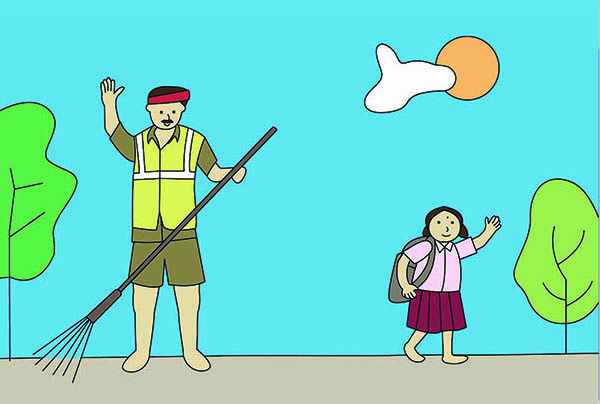

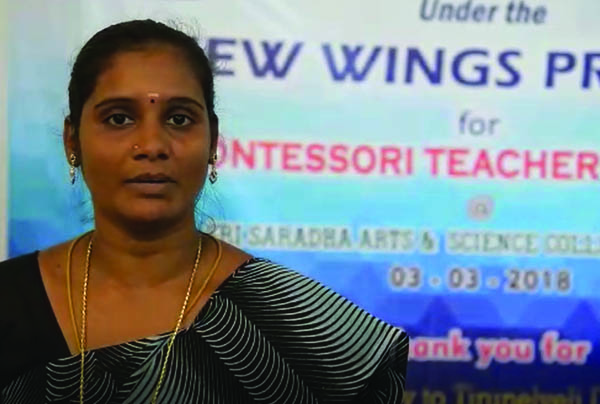

The main focus of the project is to ensure education to the children of the sanitary workers. The minimum goal on education is that to ensure “all children of the sanitary worker to complete graduation”. Education shall play a vital role in empowering these marginalized sections. The aim of the minimum education is to provide alternative employment and dignified life. Hence, the followingstrategies will be adopted.

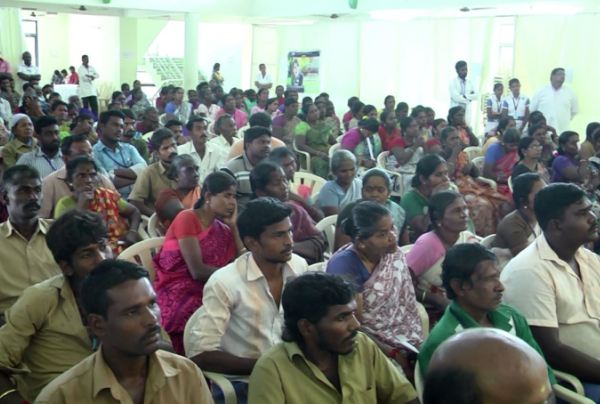
The skill training is essential for getting employment. The sanitary workers and their family members will be provided with employable skill training. The skill training shall aim to get alternate employment. The professional skill training partners shall be identified. The government department schemes like Skill India, TNSRLM, RSETIs, will be utilized effectively to skill development.

Economic Empowerment by self employment is the safe way forward to the family members. Unless, sustainable alternate employment opportunity is provided they tend to come to sanitary work as heredity. The economic assistance provided in PMEGPY, NEEDS, PMRY will be dovetailed. The banks will be encouraged to give economic non collateral loans to the sanitary workers and their family member who come out from the profession. The expertise assistance will be provided to prepare project reports, and other documentations for the self employment.

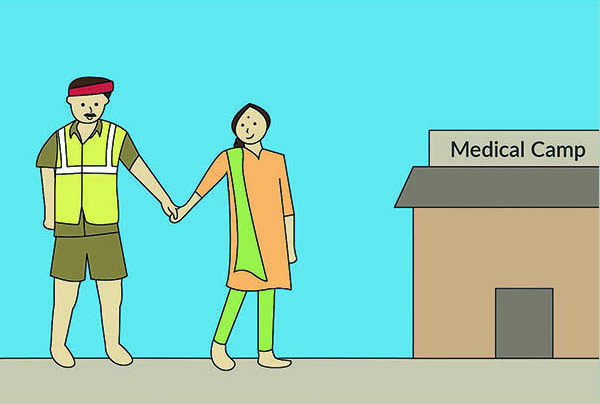
The sanitary workers have major health problems and tend to die early, because of the continuous inhalation of noxious fumes, the susceptibility to disease that comes from dealing with faeces, and related risks. Such work directly leads to nausea, skin infections, anaemia, diarrhoea, vomiting, jaundice and trachoma. It is common to find cardiovascular degeneration, musculoskeletal disorders, infections, skin diseases and respiratory ailments among such workers. And because these workers are typically so poorly paid, they also suffer from under nutrition and cannot avail of adequate preventive or curative health services.